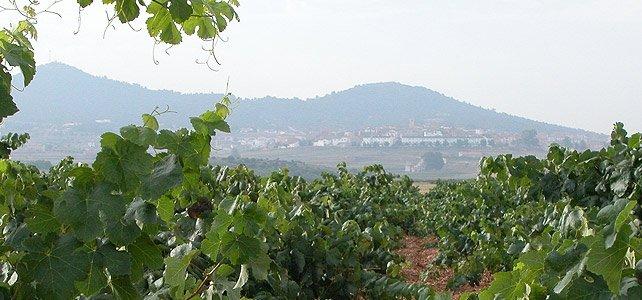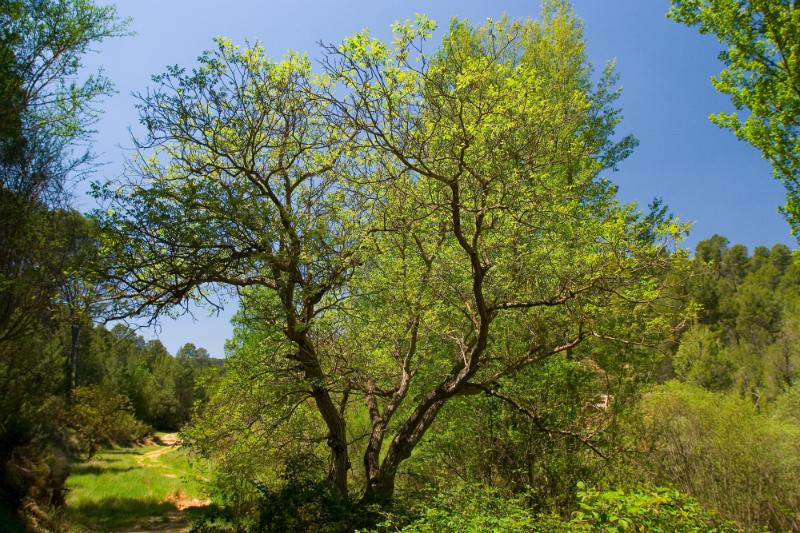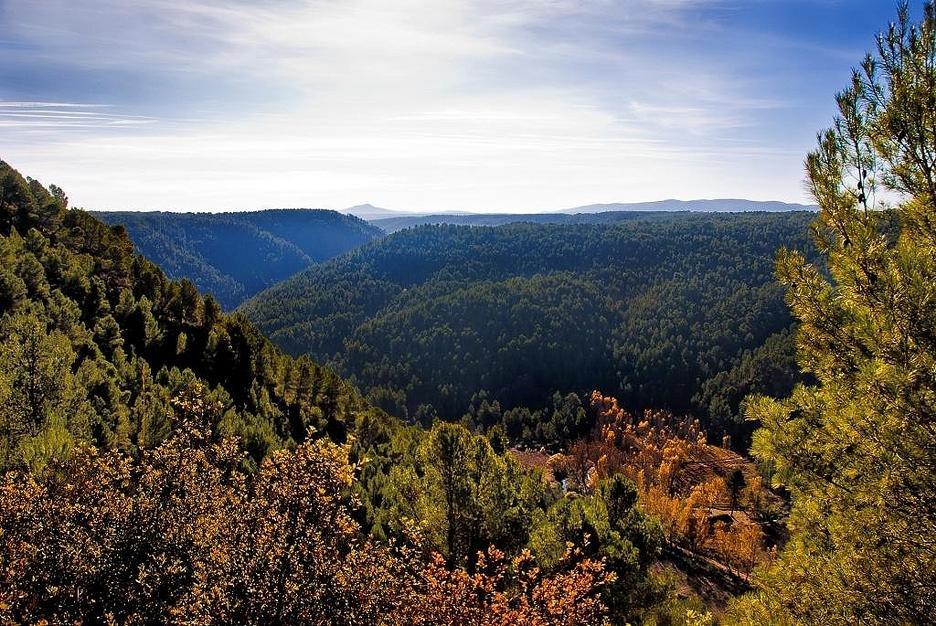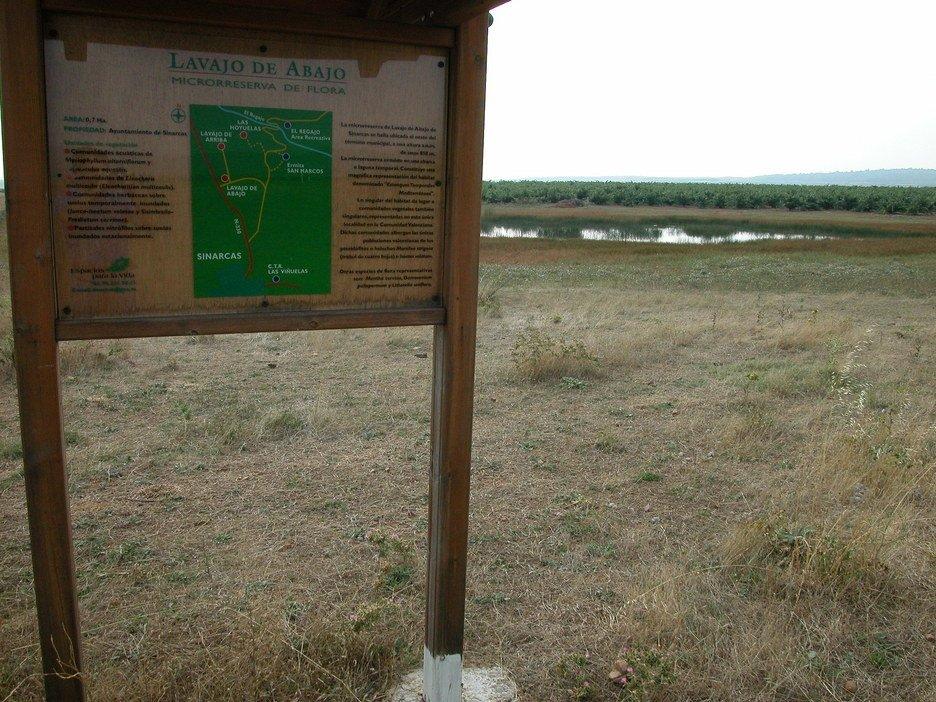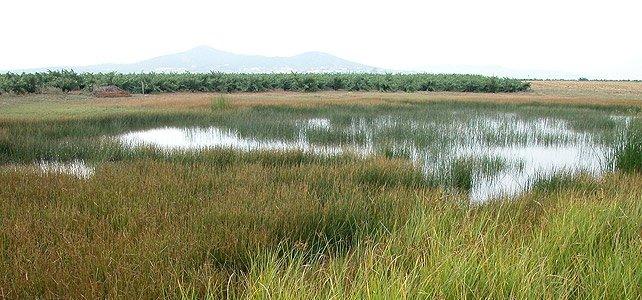
Located on the border with the province of Cuenca, the municipality comprises 70% forested terrain, predominantly featuring pine, oak, and juniper formations. A landscape that combines in a very particular and attractive way with the cultivated lands of vineyards and cereals. Visitors can enjoy numerous natural sites such as Charco Negro, Las Palomarejas, Cerro Carpio, Cerro San Cristóbal and Peña de las Grajas, from where the spectacular Barranco del Regajo can be seen. Four walking routes with approved trails of Small Route (PR) and three cycling routes facilitate the tour of these sites while respecting the environment.
The first human settlements in the area date back to the Neolithic period and, later, to the Bronze Age. Centuries later it was populated by Iberians, with at least twenty Iberian sites in Sinarcas, among which are the Cerro de San Cristobal and Cerro Carpio.
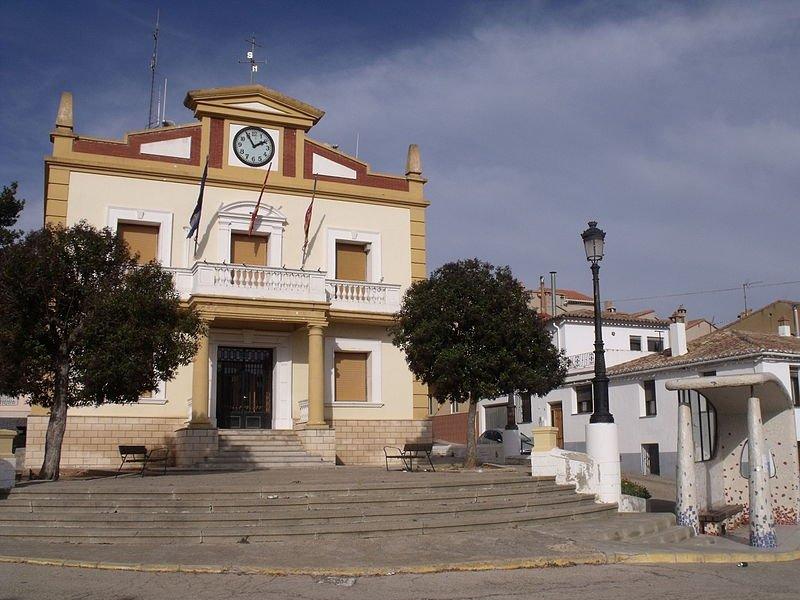
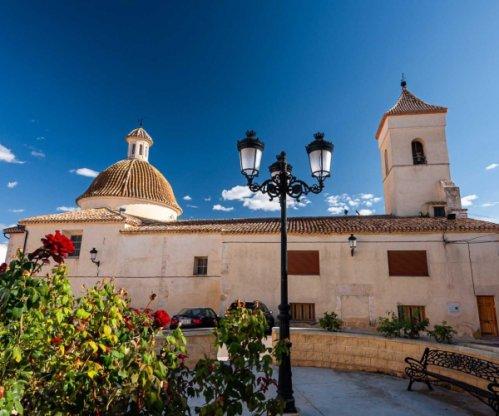
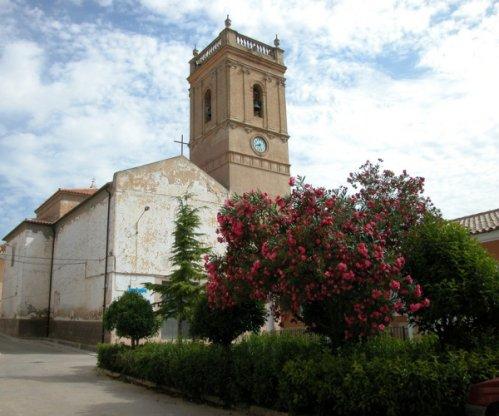
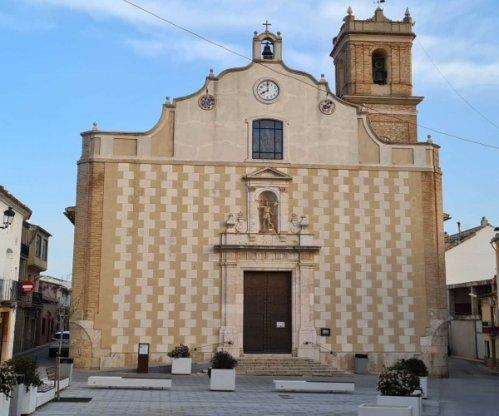
At a historical-artistic level, visitors can conclude their journey by admiring the paintings of Santa Ursula and the Holy Trinity, alongside the Virgen de las Campanillas image housed in the 17th-century church of Santiago Apóstol.
Other points of interest include the Hermitages of San Marcos and San Roque, with the latter serving as a refuge for the population during the War of Independence. Additionally, the Ecomuseum of the Traditional Habitat of Sinarcas showcases farm tools and old implements in a traditional dwelling located in the historic centre.
Its festivities include the pilgrimage held on the last Saturday of April in honour of San Marcos and the Fiestas Mayores in honour of San Roque and Santa Ursula, in the last week of August.

c/ Cuesta Carnicerías,9 - Requena, Valencia
Phone: 660 073 280
Email: info@rutavino.com
Travel agency licence CV-m1075-V