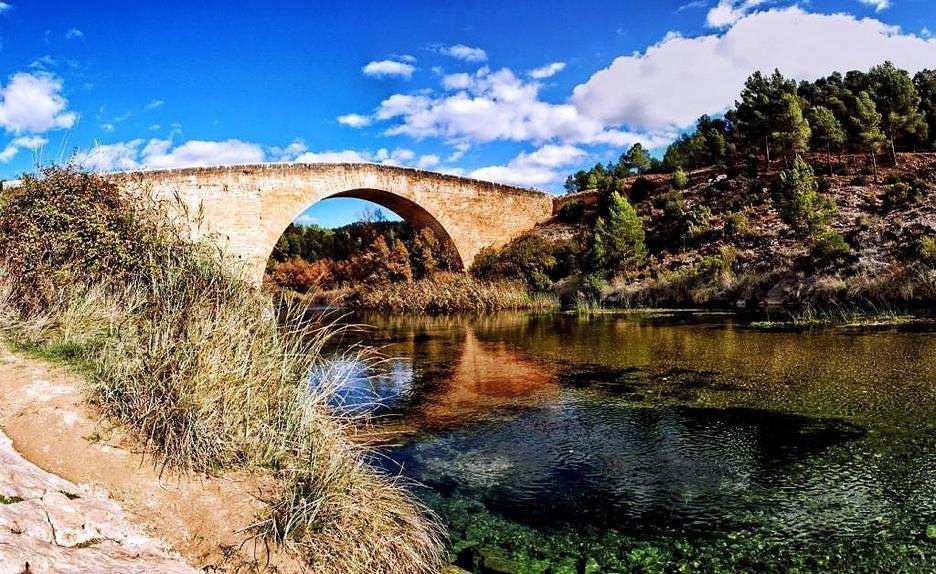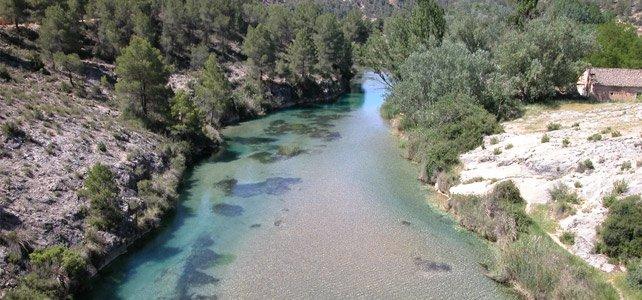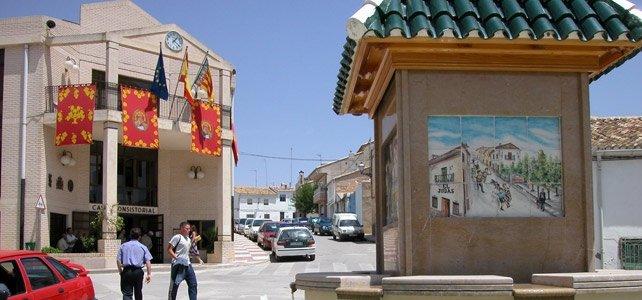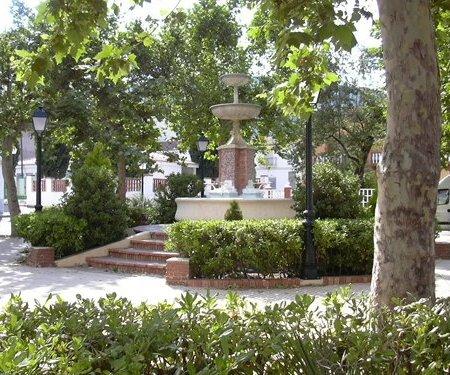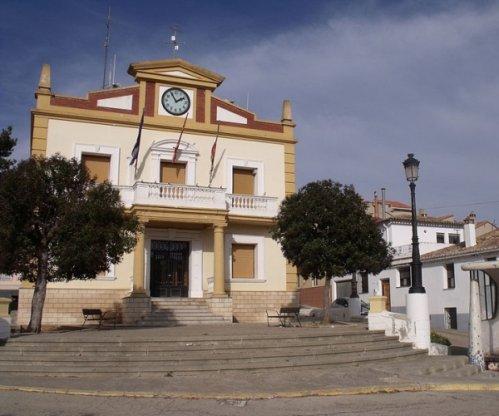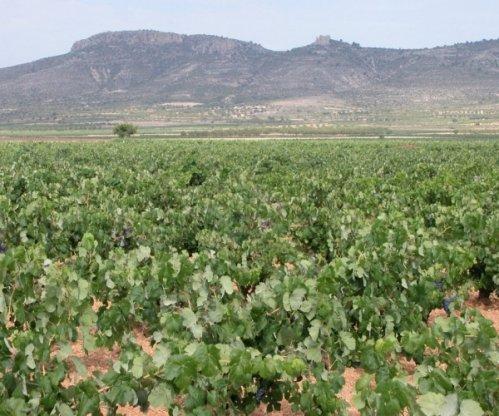
In an enclave uniquely linked to nature, the municipality of Venta del Moro is located in the westernmost part of the province of Valencia and covers an area of 272 km2. The presence of the Cabriel river conditions and determines the landscape of this municipality, with lush vegetation and steep slopes.
During the early 1970s, a significant palaeontological site was unearthed, revealing a wealth of mammal and plant fossils dating back to the Terminal Miocene era, around seven million years ago. These fossils were discovered in clay containing lignite and marl.
Nevertheless, the municipality's greatest asset lies in its natural richness, showcasing not only remarkable scenic beauty but also offering opportunities to explore and uncover untouched and picturesque corners. In fact, some of the municipality is part of the Hoces del Cabriel Natural Park, which is the largest protected area in the Valencian Community. Tamayo, El Retorno, Los Cárceles, Vadocañas, Las Hoces and Los Cuchillos, are places of great beauty that the traveller finds along the Cabriel River, which runs for about 55 kilometres of rich and varied nature. Of the various fluvial courses, the Albosa, Bullana, Boquerón and Las Salinas stand out, as well as more than 20 ravines with a length of over 100 kilometres. All this has made this town a reference point for active tourism in the Valencian Community.
Upon arrival in the municipality, visitors can appreciate the architectural significance of the church of Nuestra Señora de Loreto. Additionally, they can complete their tour at the Interpretation Centre of the Hoces del Cabriel Natural Park.
The main religious festivities include the Judas Festival during Easter week and the Fiestas Mayores in honour of the Virgen de Loreto in December.

c/ Cuesta Carnicerías,9 - Requena, Valencia
Phone: 660 073 280
Email: info@rutavino.com
Travel agency licence CV-m1075-V